

By Milo Baker, SAJE Communications Intern
May 15, 2026
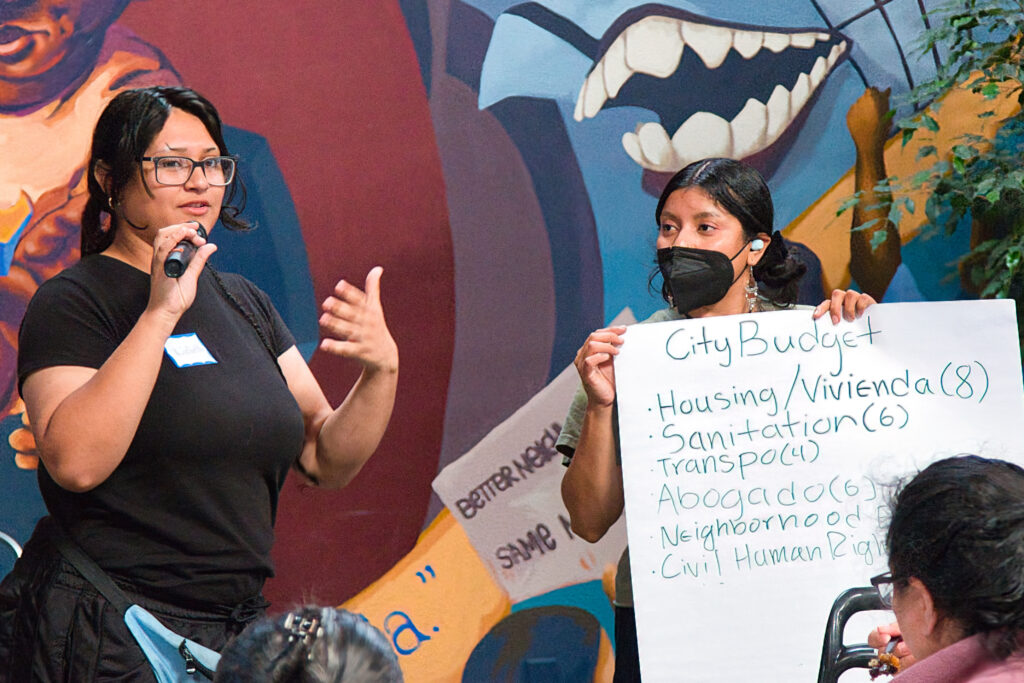
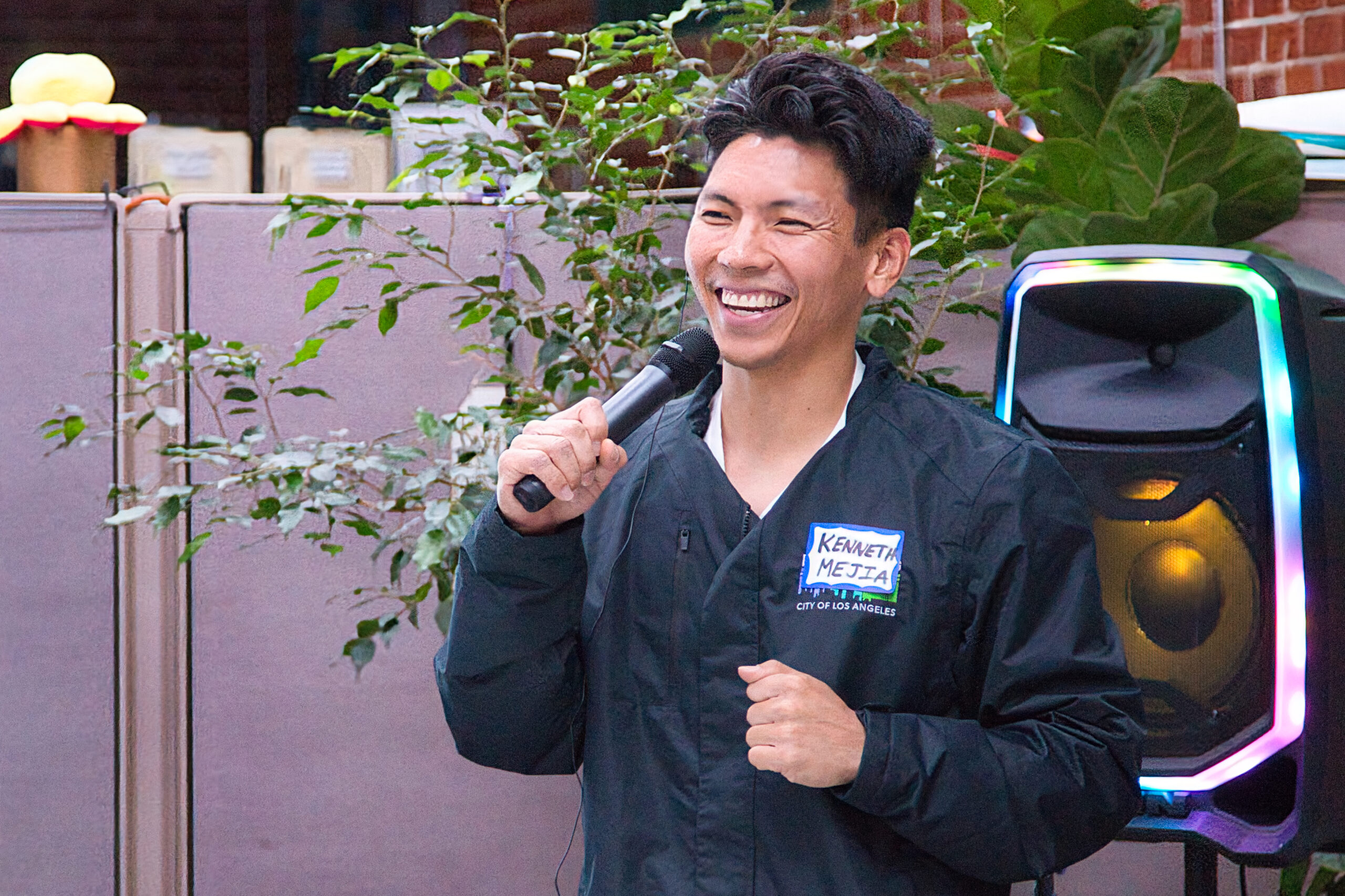
Over 70 guests gathered on Thursday evening, May 7, for an Escuelita focused on understanding the complexities of L.A.’s massive city budget and how it’s passed. Our Escuelitas are quarterly pop-ed sessions that focus on current issues and events, and they are open to the public. Present at the session was City Controller Kenneth Mejia, who led a Q&A discussion that explored the current distribution of budget resources and how citizens can more proactively influence city spending (hint: talk to your councilmember).
For fiscal year 2026, L.A.’s annual budget is almost $15 billion dollars—a number that will only continue to grow. But what fuels our city’s budget? How do city resources make it back to residents? And, importantly, are these resources improving quality of life for residents?
A significant portion of the revenue that contributes to LA’s multi-billion-dollar budget is generated from local taxes and public fees that are part of daily life in the city. This includes everything from property and business taxes to parking tickets and street vendor permits. But in breaking down the budget with Mejia, many attendees remarked on how there is an imbalance in how revenue is apportioned. Nearly a quarter of the city’s budget is given to the police, while barely 3% is dedicated to housing and street services. Like many Angelenos, attendees did not wish to see increases in the police budget, and would rather the city focus on initiatives that improve public infrastructure, like parks and libraries, and address the compounding homelessness and mental health crises on our streets.
During the session, attendees discussed how city investments could be allocated more equitably and underscored the power of community advocacy when it comes to shaping the future of our city. Many members spoke about the need for pedestrian infrastructure improvements like better sidewalks, shade, and adequate street lighting to create safer urban corridors. The need for a safer built environment was also highlighted by Mejia, who emphasized that more than $100 million of the city budget—which could have been used to improve street services—had been paid out as settlements to residents harmed by crumbling infrastructure.
Understanding where the city’s revenue is being spent is the first step towards meaningful advocacy, and SAJE believes community voices become strongest when residents stay informed. It’s important to make sure our voices are represented in budget decision making, and that we are communicating how we want our money spent.
Next week, SAJE and members of the NOlympics LA coalition will mobilize at City Hall for the first day of public comment around the City Budget! Join us Wednesday, May 21, 2026 when we line-up at 7:30am outside of City Hall (200 N Main Street) for the 10am meeting. We can and should demand more clarity from city officials and the Olympic organizing team when they’re using public money to produce the Games, especially when it’s going to cost us on multiple levels! To RSVP, email info@SAJE.net