

By Iris Craige, Assistant Director, Policy and Research
April 23, 2026
SAJE is sometimes mischaracterized as an organization that opposes development, especially market-rate housing, because of concerns about gentrification, displacement, and neighborhood change. We do have concerns, based on what we see happening on the ground in lower-resourced pockets of Los Angeles, when new development suddenly becomes concentrated in neighborhoods where rents and land are cheap, as often happens in expensive cities like ours. In fact, emerging research shows how upzoning can increase the risk of out-migration among low-income households, particularly as development intensity rises.
But it is also the case that over the past decade we have worked alongside housing organizations and advocates at local and state levels to advance zoning reforms that make it easier to build housing. In 2016, we supported Measure JJJ, which created the Los Angeles’s Transit Oriented Communities Program (TOC), and in 2017 we opposed Measure S, which would have placed a moratorium on development over two stories high.
More recently, we’ve been tracking in real time how new development without guardrails can cause displacement. Los Angeles Mayor Karen Bass’s ED1 is just one example of how a well-intentioned policy to jumpstart affordable housing production can have the unintended consequence of displacing low-income renters, in this case by demolishing existing rent-stabilized apartment buildings. But rather than opposing ED1, SAJE and our partners in the UNIDAD coalition crafted recommendations to limit the policy’s negative impact on these renters as the city worked to make it permanent. A year and a half after Mayor Bass introduced ED1, the city made changes that significantly addressed our concerns.
These efforts reflect a consistent position: SAJE believes that the housing crisis has been caused in part by a shortage of housing, and we need to build more. We also believe that NIMBY obstruction of housing is a problem and has led to increased racial segregation and higher real estate costs. However, we do not believe new development should displace low-income residents who already have been historically disadvantaged by racist redlining and exclusionary housing practices, and our work is aimed at ensuring that doesn’t happen as we increase our housing supply. Ultimately, we believe the private market cannot deliver deep and lasting affordability without sustained public intervention.
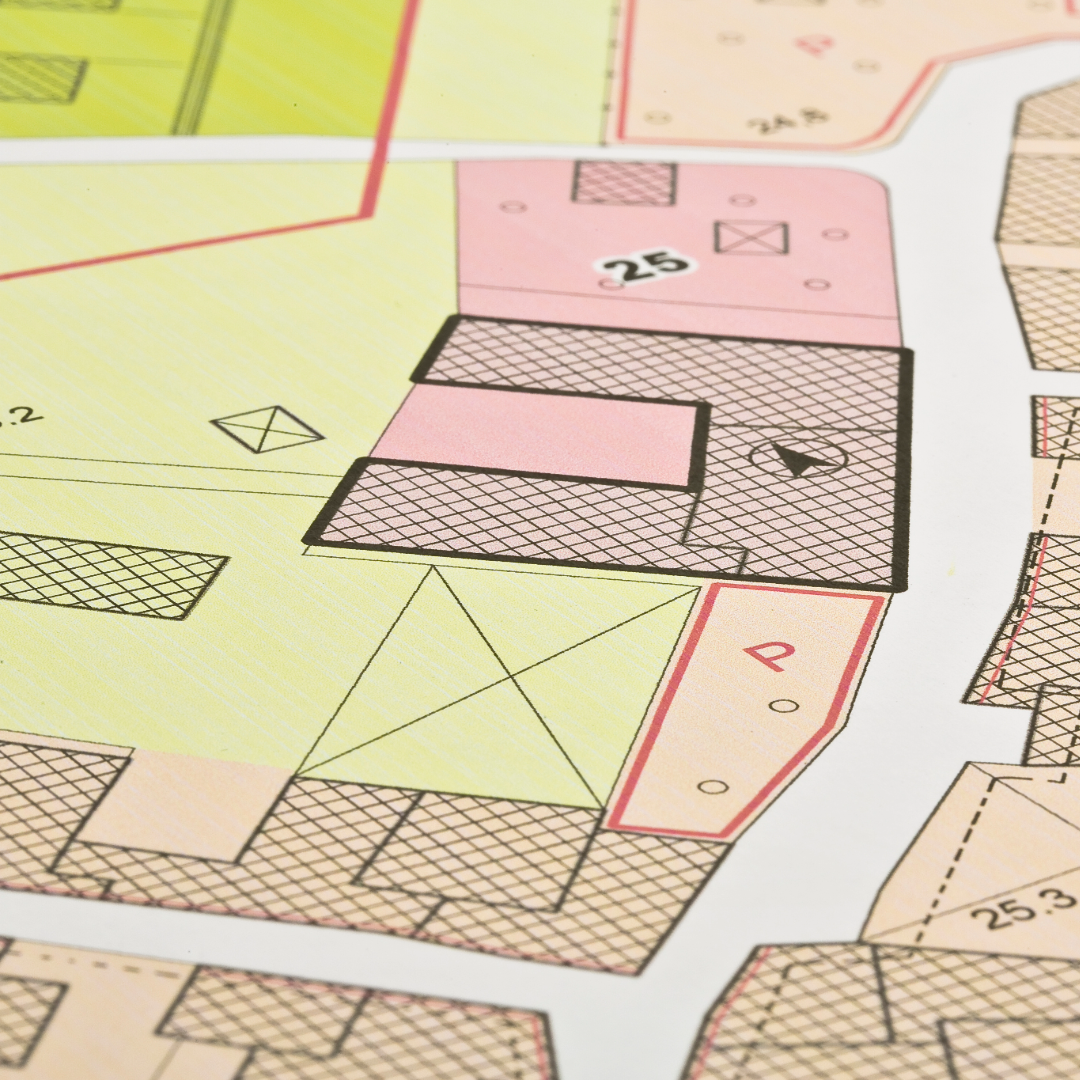
This is the starting point for Zoning for Equitable Development (ZED). ZED is a new SAJE initiative for Angelenos who want to plug into the housing policy space but don’t know where to begin. We want to convene everyday people who care about our housing crisis to work toward a shared framework for equitable land use in Los Angeles. While zoning is a critical tool for increasing housing production, ZED takes a broader approach, recognizing equitable development requires not only thinking about where and how we build, but also how we protect tenants and preserve existing affordability. Equitable zoning should not merely avoid causing harm, it must also actively repair it by reshaping how housing is produced and who it serves. ZED approaches equitable development via three core strategies: Protect, preserve, produce. Moving beyond the notion that affordability will emerge by simply building more, we will focus on how our overall housing system is structured and organized.
We invite you to be part of this conversation!
Join us for our ZED launch and happy hour in West Adams on April 30 by registering here. Or, contact Antonio Hernandez at (213) 255-6867 or at ahernandez@saje.net to get involved.